Goals of Early Childhood Development
Kids entering Kindergarten are evaluated on a number of different criteria, such as do they know how to hold a pencil properly, do they hold a book so the pictures are right side up, and do they know that we read books from left to right, do they recognize any letters, particularly their first initial, can they put on a jacket and shoes by them self correctly (left shoe on left foot), can they use the bathroom by their self, follow simple direction, stand in line, take turns, etc. In a program like Head Start or a really good quality day car, the kids practice these skills.
It’s been said that children up to the end of 3rd grade are learning to read, whereas those in grade 4 and up are reading to learn. Learning to read is a complex process, particularly in English, that will take several years. That’s why it’s so important that they are “ready” for Kindergarten. They’ll be learning the skills that she needs to be successful in school. They’ll use what they learn in Kindergarten to be successful in first grade, those they learned in 1st grade get expanded upon in 2nd grade, and so on throughout grade school.
In a Kindergarten classroom, you usually find a corner where kids can play house with dolls, an area where kids can lounge on bean bags or cushions and “read”, or one with construction blocks like Duplo where they can build stuff, or a sand & water table that they can choose to play at. These “stations” are not just there because children like to play with different things, but they’re also meant for kids to learn what works best for them as a learning strategy. Some do better when they can touch things, such as at a sand table; others do better in fantasy play, for example in pretend play with dolls or tools. Still others prefer to make drawings or art work.
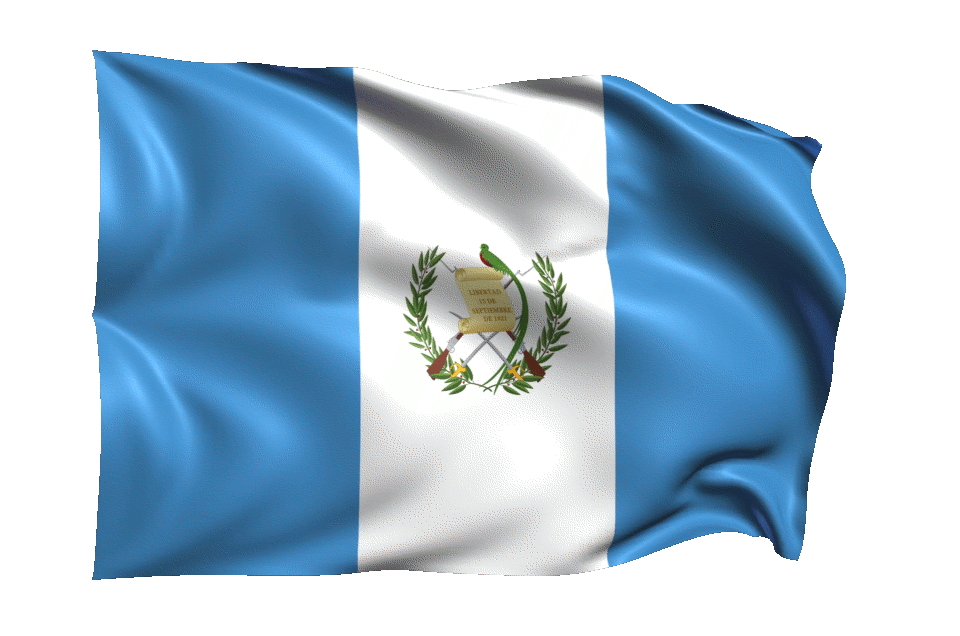
Early childhood education may be a concept that’s not given much attention in Guatemala. Kids don’t start school there until age 7. That means that the years of infancy and early childhood, in which their little brains are like absolute sponges for learning, go almost completely unused. So by the time they start school, they haven’t had any organized opportunity to find out about the world and kids don’t always come to school prepared to learn. (In truth, plenty of American kids don’t come to Kindergarten prepared to learn, either, but that doesn’t mean you want YOUR kid among that number!) It’s understandable that Guatemala focuses on elementary education, because schools are expensive, doing the same here in the US means kids don’t have the advantage of becoming familiar with learning in a playful manner.
Next: Infants